
Choosing the Right Day Care Westmead for Your Child
Finding the right day care Westmead for your child is an important decision for every parent. Early childhood is a special stage when children begin developing their communication, social, emotional, and learning skills. A good childcare centre should provide more than supervision during the day. It should offer a safe, caring, and welcoming environment where children can learn through play, build confidence, make friends, and enjoy new experiences. For families in Westmead, choosing a centre that understands each child’s individual needs can make the transition into childcare much easier for both children and parents.
Why Choosing the Right Childcare Centre Matters
Every child is different. Some children are naturally confident and quickly enjoy new surroundings, while others may need more time to become comfortable with unfamiliar people and places. The childcare environment can have an important role in helping children feel secure and supported.
A quality early learning centre provides opportunities for children to explore, ask questions, interact with others, and develop new skills. Educators can encourage children through age-appropriate activities while also allowing them to learn at their own pace.
For parents, it is also important to feel comfortable knowing their child is being cared for by people who genuinely understand early childhood development. Open communication between educators and families can help parents stay informed about their child’s day, progress, interests, and experiences.
A Safe and Welcoming Environment
Safety should always be one of the first things parents consider when visiting a childcare centre. Children need an environment where they can explore while being appropriately supervised.
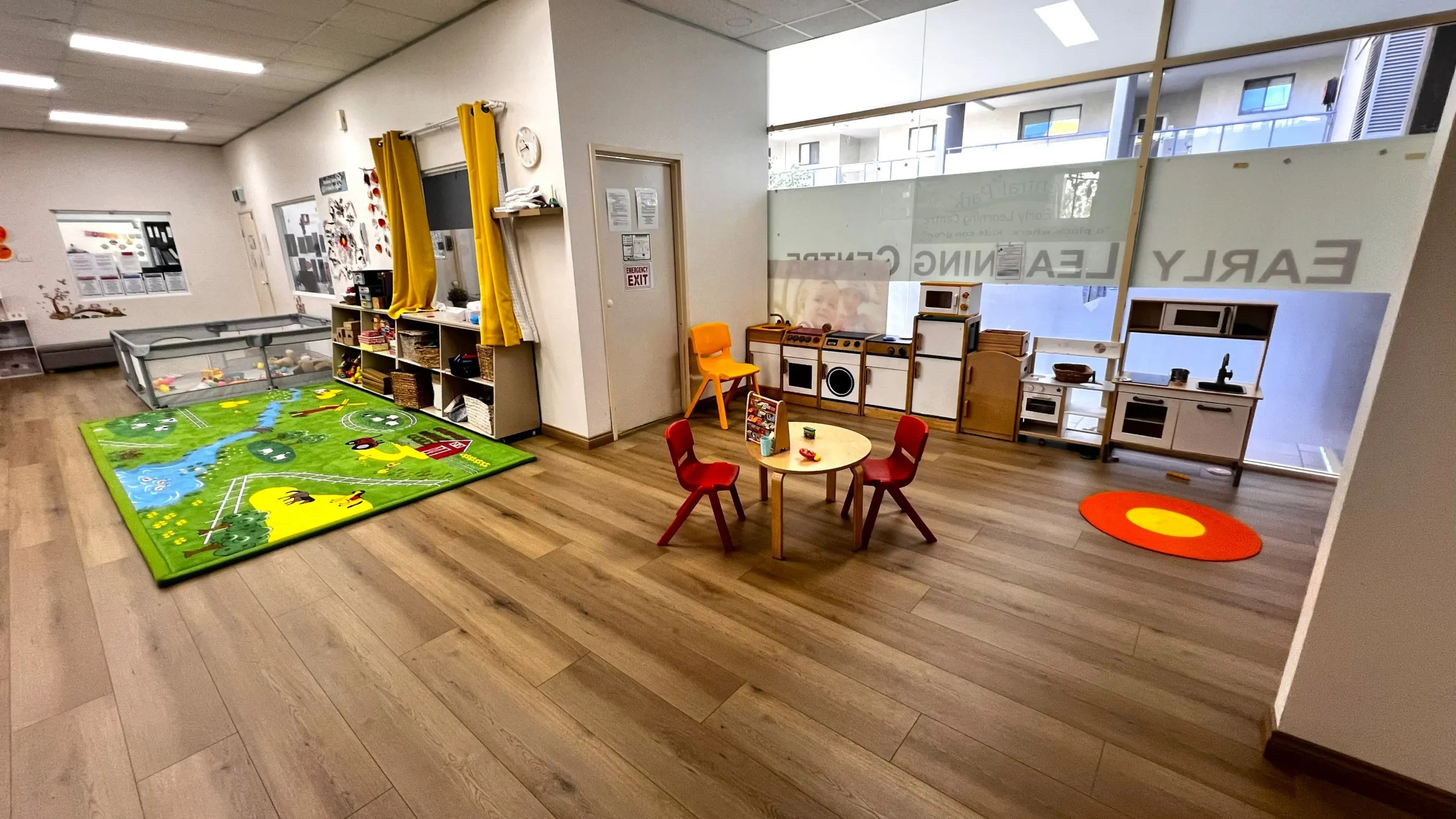
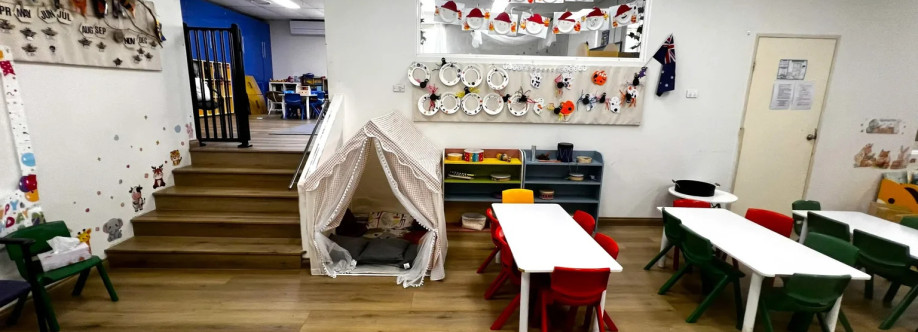
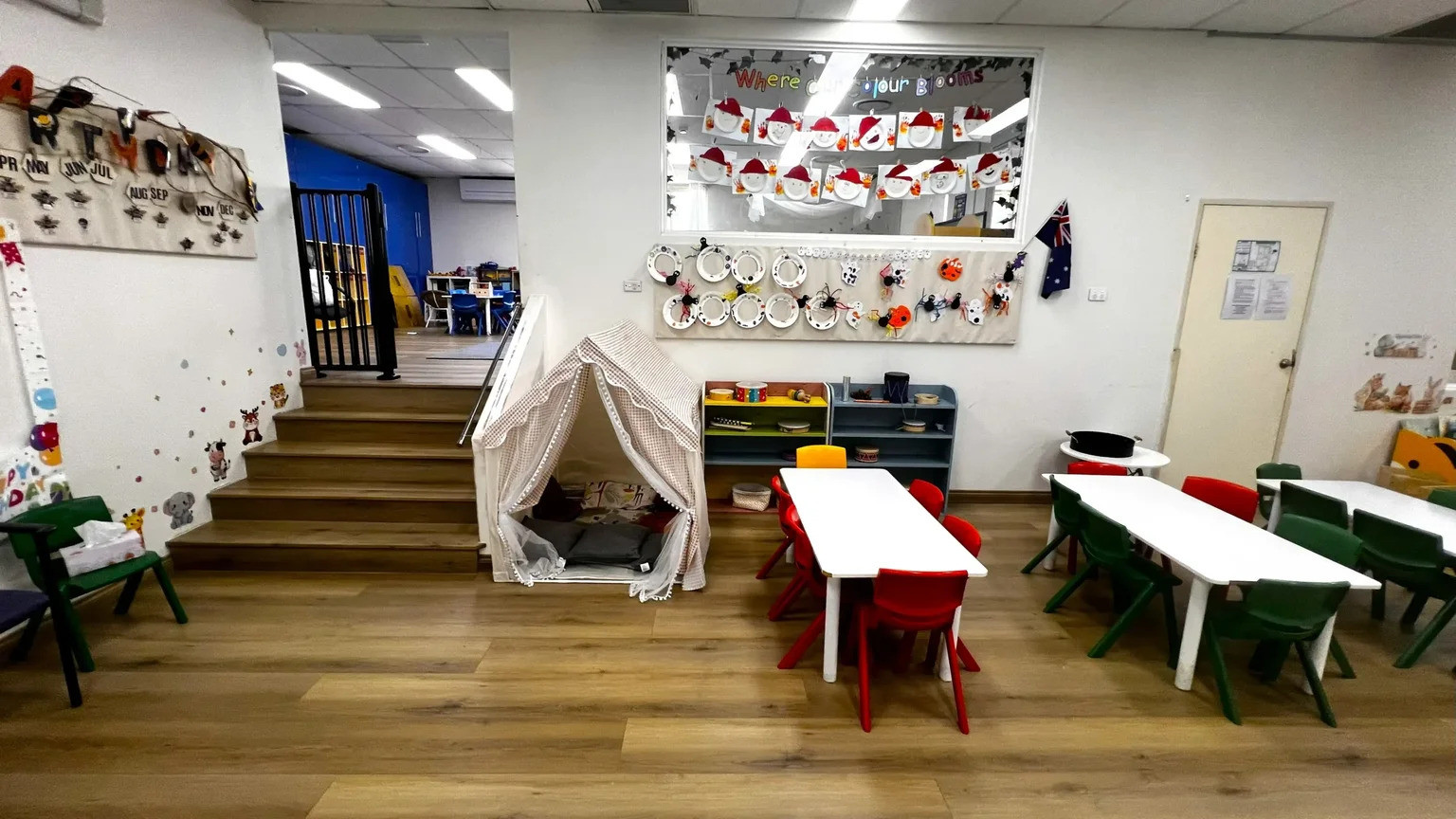
A well-organised childcare centre should have suitable indoor and outdoor spaces, age-appropriate equipment, clean facilities, and procedures designed to support children’s health and safety.
However, creating a safe environment is not only about physical safety. Children also need to feel emotionally secure. Friendly educators, familiar routines, and positive interactions can help children develop a sense of belonging.
When visiting a centre, parents can observe how educators interact with children. Do they listen patiently? Do children appear comfortable approaching them? Is the atmosphere calm and welcoming? These observations can provide useful insight into the centre’s approach to care.
Learning Through Play
Play is an important part of early childhood learning. Young children naturally learn about the world by touching, moving, building, pretending, asking questions, and interacting with others.
Play-based learning can support a variety of developmental skills. For example, building with blocks can encourage problem-solving and coordination, while pretend play can help children develop language and social skills.
Creative activities such as drawing, painting, music, and craft can also give children opportunities to express themselves. Outdoor play can support physical development while allowing children to experience nature and develop confidence in movement.
A strong early learning program balances planned educational experiences with opportunities for children to make choices and explore their own interests.
Supporting Social Development
Childcare can be one of the first places where children regularly interact with a larger group of other children. This provides valuable opportunities to develop social skills.
Children can learn how to share toys, take turns, communicate their feelings, listen to others, and participate in group activities. They may also begin learning how to manage disagreements with guidance from educators.
These everyday interactions can help children gradually develop confidence and independence. Rather than expecting children to know how to behave in every situation, supportive educators can guide them through positive examples and age-appropriate conversations.
Social development takes time, and each child progresses differently. A caring childcare environment recognises these differences instead of expecting every child to respond in exactly the same way.
Choosing Care According to Your Child’s Age
The needs of a baby are different from those of a preschool-aged child. When looking at childcare options, parents should consider whether the centre provides suitable care and learning experiences for their child’s particular age group.
Younger children may need more individual attention, consistent routines, comfortable rest areas, and responsive care. Toddlers often benefit from opportunities to explore, move, communicate, and develop independence.
Preschool-aged children may be ready for more structured group experiences, early literacy activities, numeracy concepts, creative learning, and activities that encourage school readiness.
A childcare centre catering to children across different age groups should adapt its programs and routines according to children’s developmental stages.
Building Strong Relationships With Educators
The relationship between children and educators is an important part of the childcare experience. Children are more likely to feel comfortable when they have familiar adults who respond to them with patience and understanding.
Parents can ask about staff experience, educator-to-child arrangements, daily routines, and how the centre communicates with families.
Good communication can make a significant difference. Parents should have opportunities to discuss their child’s development, interests, routines, and any concerns they may have.
Likewise, educators can benefit from information shared by parents because families know their children best. Working together can create a more consistent experience between home and childcare.
The Importance of Daily Routines
Children often feel more comfortable when they know what to expect. Consistent routines can help them understand the structure of their day while gradually developing independence.
A typical childcare day may include arrival, meals and snacks, indoor activities, outdoor play, rest periods, group experiences, creative activities, and free play. The exact routine will vary depending on the centre and children’s age groups.
Flexible routines are also important because young children do not always respond in the same way every day. A child may be tired, excited, unsettled, or particularly interested in a certain activity.
Become a Medium member
A thoughtful childcare approach can provide structure while still responding to individual needs.
Nutrition and Wellbeing
Food and nutrition are another consideration for parents when choosing childcare. Depending on the centre, meals and snacks may be provided or families may need to supply food.
Parents should ask about meal arrangements, dietary requirements, allergies, food safety, and how individual needs are managed.
Wellbeing also includes rest, physical activity, hygiene, and emotional support. Children need opportunities to be active, relax, and receive appropriate care throughout the day.
Parents can discuss their child’s usual routines with educators, particularly if the child has specific sleeping, eating, or comfort needs.
Outdoor Learning and Physical Activity
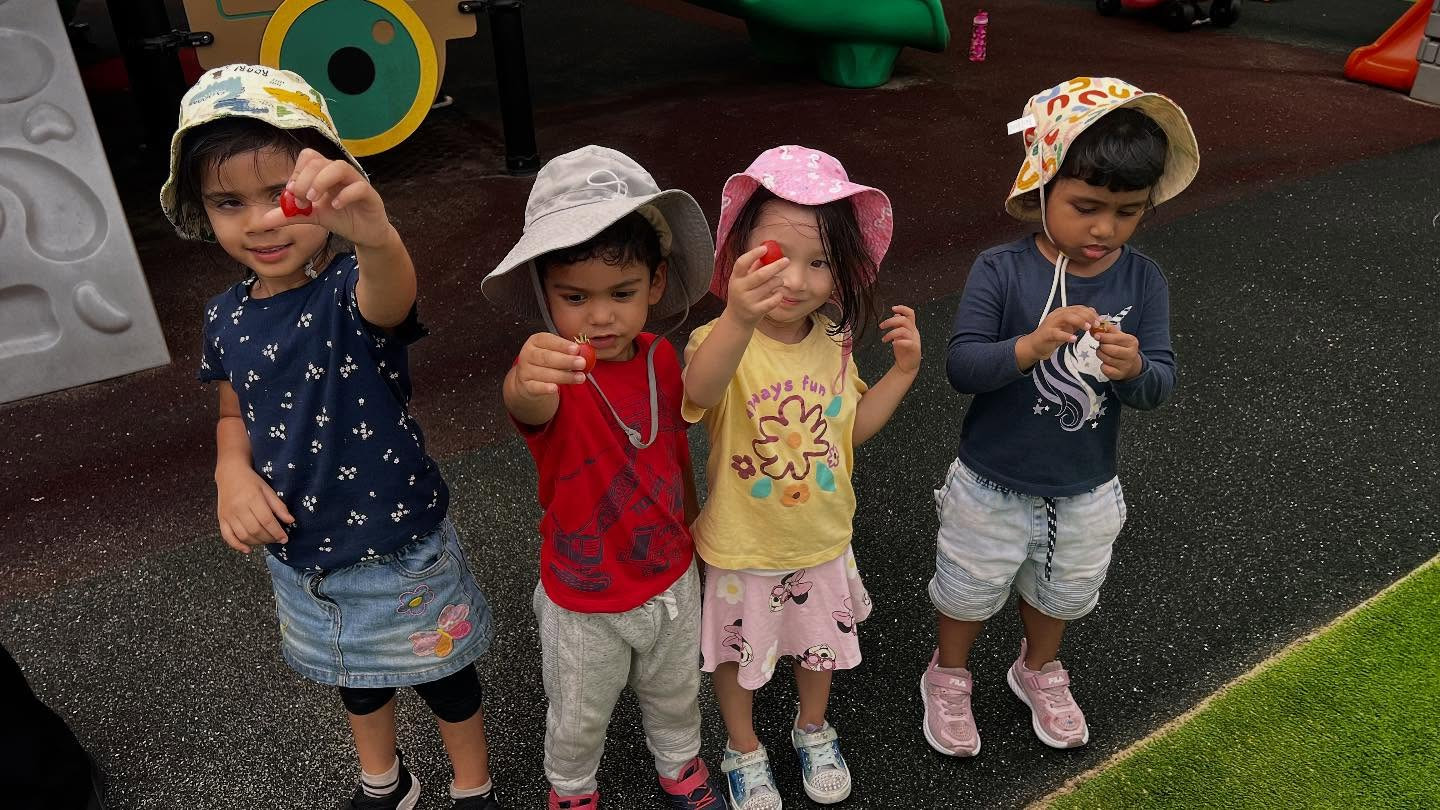
Outdoor play gives children an opportunity to move their bodies, explore their surroundings, and develop physical confidence.
Activities such as running, climbing, balancing, ball games, gardening, and nature exploration can encourage coordination and physical development. Outdoor environments can also create opportunities for children to observe plants, insects, weather, and seasonal changes.
Final Thoughts
Choosing childcare is about finding a place where children can feel safe, cared for, encouraged, and included. A positive early learning environment can support children’s social, emotional, physical, and cognitive development while giving them opportunities to explore the world around them.
For families searching for day care Westmead, it is worth taking the time to visit different centres, understand their approach, ask questions, and consider what best suits your child’s individual needs. The right environment can help children enjoy their early years while developing confidence, curiosity, independence, and a positive attitude toward learning. For more details visit us at https://centralparkelc.com.au