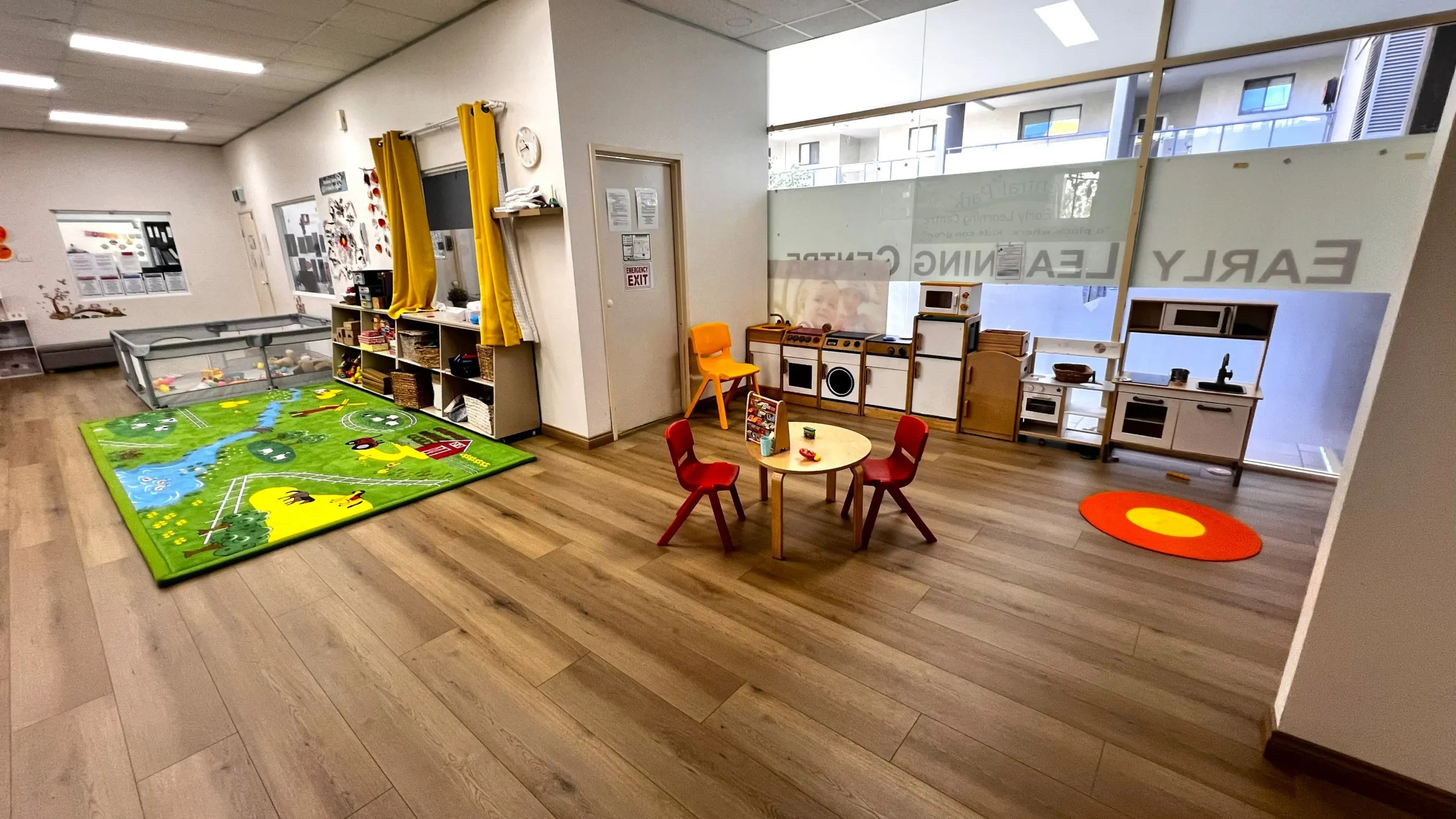
Choosing the Right Childcare Westmead: A Guide for Parents
Choosing the right childcare centre is one of the most important decisions parents make during the early years of their child’s life. A good childcare Westmead centre should offer more than supervision — it should provide a safe, caring, and stimulating environment where children can learn, play, build friendships, and develop confidence. For parents in Westmead, finding a centre that understands each child’s individual needs can make the transition into childcare much easier for both children and families.
Why Quality Childcare Matters
The early years are a time of rapid growth and development. Children are constantly learning from the people around them, their environment, and their everyday experiences. Quality childcare can support this development by providing opportunities for children to explore, ask questions, solve problems, and express themselves.
A nurturing childcare environment helps children develop social, emotional, physical, language, and thinking skills. Simple activities such as playing with other children, listening to stories, drawing, building with blocks, or participating in group activities can contribute to important developmental milestones.
For parents, childcare also provides peace of mind. Knowing that your child is being cared for by supportive educators allows you to focus on work, study, family responsibilities, or other commitments while your child spends the day in a welcoming environment.
A Nurturing Environment Helps Children Feel Secure
Young children need to feel safe and comfortable before they can confidently explore their surroundings. A childcare centre should therefore create an environment where children feel welcomed, respected, and valued.
Educators play an important role in building this sense of security. Taking time to understand a child’s personality, interests, routines, and needs can help educators develop stronger relationships with each child.
A warm greeting in the morning, reassurance when a child is upset, and encouragement when they try something new can all make a meaningful difference. Over time, these positive interactions help children develop trust and confidence.
For younger children, familiar routines can also make childcare easier. Consistent meal times, rest periods, play sessions, and daily activities provide children with a sense of predictability while still allowing room for exploration.
Learning Through Play
Play is one of the most natural ways for children to learn. Rather than simply providing entertainment, play allows children to experiment, make decisions, communicate, and understand the world around them.
Play-based learning can include many different activities. Building blocks can encourage problem-solving and coordination. Drawing and painting can support creativity and fine motor skills. Pretend play can help children develop language and social skills. Outdoor activities can support physical development and encourage children to explore nature.
A strong early learning program balances planned educational experiences with opportunities for children to follow their own interests. When children are interested in an activity, they are often more motivated to participate and learn.
Supporting Social and Emotional Development
Learning how to interact with others is an important part of early childhood. At childcare, children have opportunities to meet and play with other children from different backgrounds and with different personalities.
Through group activities and everyday interactions, children gradually learn important social skills such as sharing, taking turns, listening, cooperating, and communicating their feelings.
Educators can also help children understand and manage emotions. For example, a child may need support when they feel frustrated because another child has taken a toy. Rather than simply resolving the situation for them, an educator can help the child understand what happened, express how they feel, and learn appropriate ways to respond.
These experiences can build emotional confidence and help children develop skills that will remain valuable throughout their school years.
The Importance of Qualified and Caring Educators
Educators are at the heart of any childcare centre. While facilities and resources are important, the relationships children build with educators can have an even greater impact on their experience.
Parents should look for educators who are patient, attentive, approachable, and genuinely interested in children’s development. Good educators understand that every child develops differently and may need different types of support.
Some children may be confident and outgoing, while others may take longer to participate in group activities. A caring educator recognises these differences and provides encouragement without putting unnecessary pressure on a child.
Communication between educators and parents is also important. Sharing information about a child’s progress, interests, routines, and experiences helps create consistency between home and childcare.
Programs for Different Ages and Stages
Children have different needs depending on their age and stage of development. Infants, toddlers, and preschool-aged children require different types of care, activities, and learning experiences.
For babies and younger children, responsive care and secure relationships are particularly important. Daily routines may focus on feeding, sleeping, sensory experiences, movement, communication, and gentle interaction.
Toddlers are often becoming more independent and curious. They benefit from opportunities to move, explore, communicate, make choices, and develop social skills.
Preschool-aged children can participate in more structured learning experiences while still having plenty of time for creative and imaginative play. Activities can help prepare them for the transition to school by supporting communication, independence, concentration, problem-solving, and confidence.
Outdoor Play and Physical Activity
Children need opportunities to move their bodies and explore outdoor environments. Outdoor play can support physical development while also giving children opportunities to discover nature and use their imagination.
Running, climbing, balancing, throwing, and other physical activities can help develop coordination and gross motor skills. Outdoor environments can also encourage curiosity as children observe plants, insects, weather, and seasonal changes.
A well-designed childcare program should provide a healthy balance between indoor and outdoor experiences. Children should have opportunities to engage in physical activity while also having quieter periods for reading, creative activities, rest, and reflection.
Communication With Parents
Parents know their children better than anyone, so their input is valuable when creating a positive childcare experience. Open communication allows educators to understand a child’s home routine, interests, preferences, and any changes that may affect their day.
Parents should feel comfortable asking questions about their child’s daily activities, meals, rest, learning experiences, and interactions. Similarly, educators should keep families informed about important observations and developmental progress.
Regular communication can create a stronger partnership between families and educators. When everyone works together, children receive more consistent support.
What Parents Should Consider When Choosing Childcare
Every family has different priorities, but several factors are worth considering when comparing childcare options in Westmead.
Parents may want to consider:
The overall atmosphere of the centre
The experience and approach of educators
The age groups and programs available
Indoor and outdoor learning environments
Daily routines and activities
Communication with parents
Health, hygiene, and safety practices
Meals and dietary requirements
Rest and sleep arrangements
Opportunities for play-based learning
Preschool and school-readiness experiences
Location and convenience for the family
Visiting a centre can also be helpful. Parents can observe how educators interact with children, whether children appear comfortable, and whether the environment feels welcoming.
Creating a Positive Start to Childcare
Starting childcare can be an emotional experience for children and parents. Some children settle quickly, while others need more time to become comfortable with a new environment.
Conclusion
Finding the right childcare Westmead option is about choosing a place where children can feel safe, supported, and encouraged to learn. Quality childcare combines nurturing relationships, play-based learning, social experiences, creative activities, physical development, and age-appropriate educational programs. Most importantly, it recognises that every child is unique.
For families looking for childcare in Westmead, taking the time to visit centres, meet educators, understand their programs, and consider their approach to learning can help make the decision easier. A supportive early learning environment can give children a strong foundation for future learning while giving parents confidence that their little ones are receiving the care and encouragement they deserve. For more details visit us at https://centralparkelc.com.au