HAMOTTE Logo
    • Advanced Search
  • connection
    • Login
    • Register
    • Night mode

OVS Recycling Cover Image
User Image
Drag to reposition cover
OVS Recycling Profile Picture
OVS Recycling

@Ovsrecycling

  • Timeline
  • Groups
  • Likes
  • Following
  • Followers
  • Photos
  • Videos
  • Shorts
OVS Recycling profile picture OVS Recycling profile picture
OVS Recycling
1 w - Translate

Green Waste Shredder: An Essential Machine for Efficient Garden Waste Management

Managing garden waste efficiently is an important part of maintaining sustainable waste management and recycling operations. A green waste shredder helps businesses process bulky organic materials, including branches, leaves, shrubs, and garden trimmings, into smaller, more manageable pieces. By reducing the size of green waste, these machines can simplify handling, support composting operations, and improve the efficiency of waste processing facilities. For landscaping companies, composting facilities, recycling businesses, and local authorities, choosing suitable shredding equipment can make a significant difference to daily operations.

What Is a Green Waste Shredder?
A green waste shredder is a machine designed to break down organic garden materials into smaller pieces. It is commonly used to process vegetation collected from gardens, parks, landscaping projects, and land maintenance activities.

Green waste can occupy considerable space when it contains large branches, thick stems, shrubs, and bulky plant material. A shredder reduces the size of these materials, making them easier to handle, transport, store, and process further.

Depending on the machine’s design and capacity, a green waste shredder can handle different types and volumes of organic material. Smaller units may suit landscaping businesses and smaller waste management operations, while larger industrial machines are designed for commercial recycling facilities and high-volume processing environments.

When selecting a shredder, it is important to consider the material being processed, the required output size, the expected workload, and the available operating space.

Why Is Green Waste Shredding Important?
Green waste shredding supports more organised and efficient waste management. Instead of handling large quantities of bulky vegetation in its original form, businesses can reduce the material to a more manageable size before moving it to the next stage of processing.

Several benefits make shredding an important part of green waste management.

1. Reduces Waste Volume
Branches, shrubs, and other garden materials can take up substantial space during collection and storage. Shredding breaks these materials into smaller pieces, helping businesses manage stockpiles more effectively.

Reduced material size can also improve the use of available storage areas and make handling operations more convenient.

2. Supports Composting
Shredded green waste can be used as a feedstock in composting operations. Reducing the size of suitable organic materials can help create a more manageable mixture for further processing.

However, shredding alone does not guarantee faster or better composting. Moisture levels, aeration, the balance of carbon-rich and nitrogen-rich materials, and the overall composting process also influence the final result.

For commercial composting facilities, shredders can form an important part of an integrated system that may include screening, turning, and other material-processing equipment.

3. Improves Material Handling
Smaller pieces of green waste are generally easier to move between processing stages. Depending on the operation, shredded materials may be transferred using conveyors, loaders, or other handling equipment.

This can help businesses organise their workflows and reduce the challenges associated with moving bulky vegetation.

4. Supports Resource Recovery
Green waste does not always need to be treated as material for disposal. When processed appropriately, it can be used in composting, mulching, and other organic resource recovery applications.

Shredding helps prepare suitable materials for these processes, supporting a more circular approach to waste management.

Common Applications of Green Waste Shredders
Green waste shredders are used across several industries because organic waste is generated in many different environments.

Landscaping and Gardening
Landscaping businesses regularly collect branches, leaves, hedge trimmings, and other vegetation. A suitable shredder can help process this material on-site or at a designated facility, depending on the equipment and operational requirements.

Commercial Composting Facilities
Composting facilities often receive large quantities of organic material from multiple sources. Shredders can help prepare suitable green waste before it enters the composting process.

The required capacity depends on the amount of material received, the operating schedule, and the facility’s overall processing system.

Local Authorities and Municipal Services
Parks departments and local authorities manage green waste generated through public garden maintenance, roadside vegetation management, and community landscaping projects.

Appropriate shredding equipment can support these activities by reducing the size of collected vegetation and preparing it for further processing.

Recycling and Waste Management Businesses
Recycling companies may process green waste alongside other suitable organic materials. Industrial shredders can help prepare this material for composting, mulching, or other recovery applications.

For businesses handling significant volumes, selecting machinery that matches the incoming material and required throughput is essential.

Choosing the Right Green Waste Shredder
Purchasing a shredder requires more than comparing machine prices. Businesses should evaluate several technical and operational factors before deciding which equipment best meets their needs.

Processing Capacity
Capacity is one of the first considerations. A machine must be capable of handling the expected volume of green waste without creating unnecessary delays.

Consider the typical amount of material processed each day, peak workloads, and anticipated future demand. Choosing equipment that matches these requirements can help maintain a consistent workflow.

Type of Material
Not all green waste is the same. Leaves, soft vegetation, fibrous branches, and thick woody material can behave differently during shredding.

Before purchasing, identify the main materials the machine will process. Check the manufacturer’s specifications to confirm that the equipment is suitable for those materials and their dimensions.

Output Size
The required output size depends on how the shredded material will be used. Composting, mulching, and other applications may have different processing requirements.

Check whether the machine can produce an appropriate material size for the intended application. Additional screening or processing may be necessary to achieve the final specification.

Power Source and Operating Costs
Green waste shredders may use different power systems, depending on their design and application. Fuel consumption, electricity requirements, servicing needs, and wear-part replacement can all influence operating costs.

Businesses should evaluate the total cost of operating the machine rather than focusing only on the initial purchase price.

Maintenance and Spare Parts
Shredders operate under demanding conditions, particularly when processing abrasive or woody materials. Cutting components and other wear parts may require regular inspection and replacement.

Conclusion
A green waste shredder is a valuable piece of equipment for landscaping companies, composting facilities, recycling businesses, and waste management operators. By reducing bulky vegetation into smaller pieces, it can improve material handling, support composting, and help prepare organic waste for resource recovery.

Choosing the right machine involves evaluating processing capacity, material type, output requirements, maintenance needs, and operating costs. For businesses considering used equipment, checking the machine’s condition and service history is equally important.

OVS Recycling supplies used recycling and waste management machinery, helping businesses explore practical equipment options for their processing requirements. Whether you are looking to expand an existing facility or invest in machinery for green waste management, working with an experienced supplier can help you identify suitable equipment for your operational needs. For more details visit us at https://ovsrecycling.co.uk/shredders/
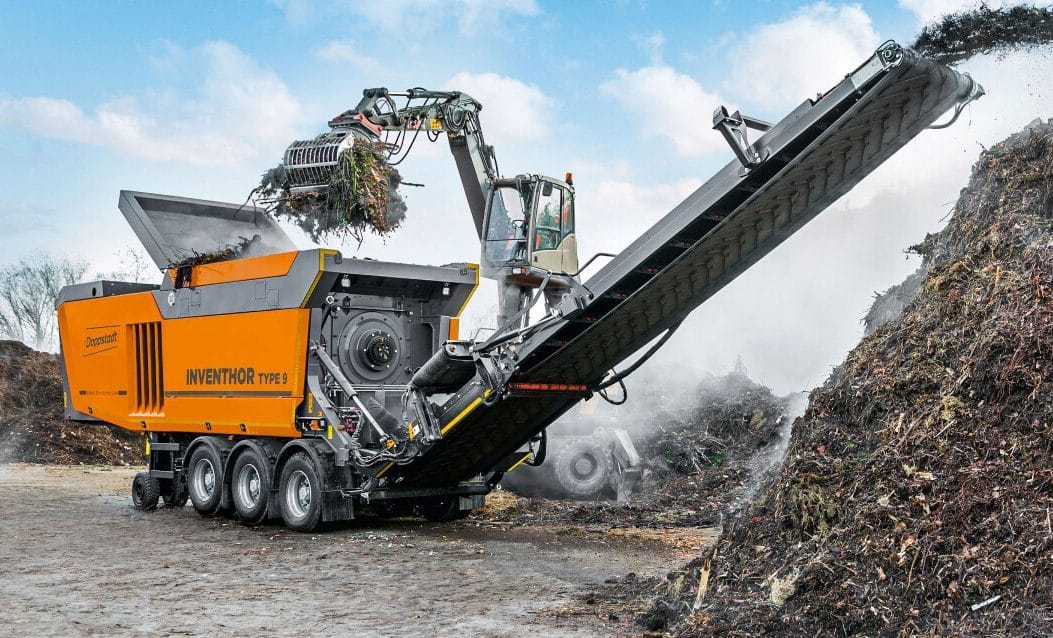
Shredders - OVS Recycling
ovsrecycling.co.uk

Shredders - OVS Recycling

Looking for reliable used shredders for wood, green waste and mixed materials? We offer used machinery for waste recycling ensuring cost-effective waste processing solutions. Browse our selection of slow-speed, high-speed, and mobile shredders
Like
Comment
Share
OVS Recycling profile picture OVS Recycling profile picture
OVS Recycling
3 w - Translate

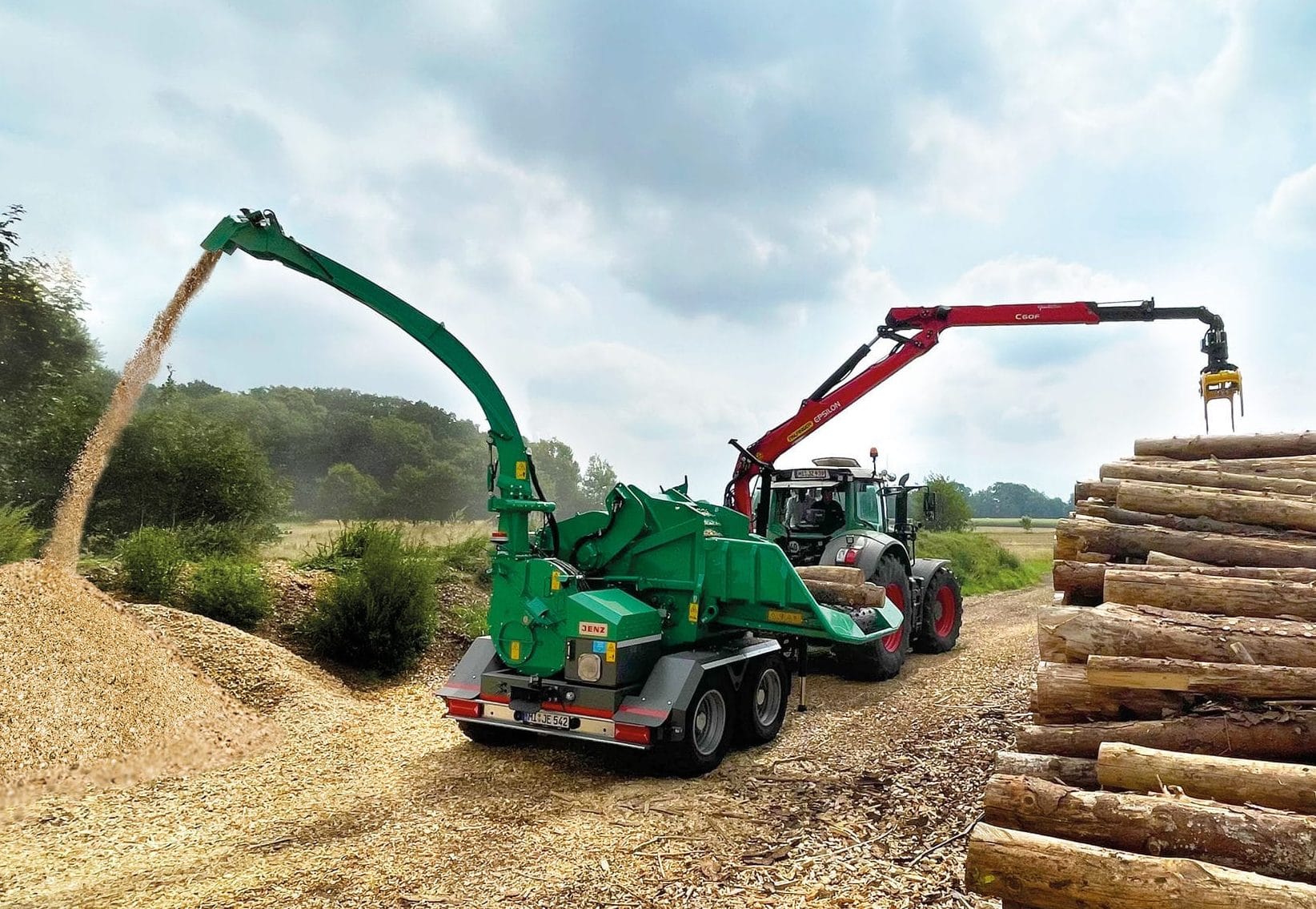
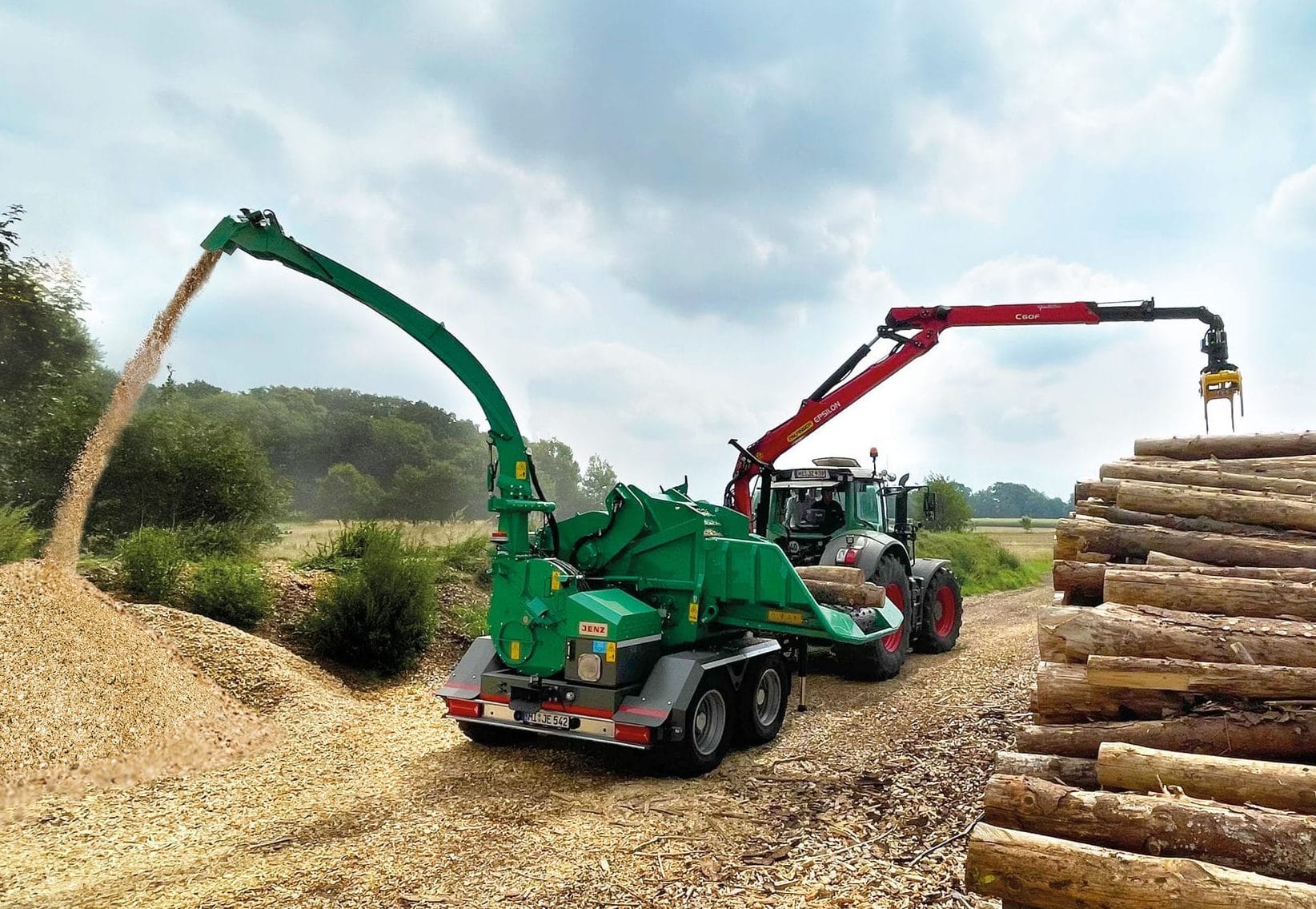
Used Chippers for Tree Waste: A Practical Guide for Businesses

Managing tree waste efficiently is important for landscaping companies, arborists, forestry contractors, and waste management businesses. Investing in used chippers for tree waste can be a practical way to process branches, twigs, and other woody materials while keeping equipment costs under control. A suitable wood chipper can help reduce bulky green waste into smaller, more manageable wood chips that may be reused for landscaping, composting, or other applications. By choosing the right machine and carefully assessing its condition, businesses can improve productivity, manage waste more effectively, and make better use of their equipment budget.

What Are Wood Chippers and How Do They Work?
Wood chippers are machines designed to break down branches, tree limbs, and other woody materials into smaller pieces. They use rotating blades, cutting discs, or drum mechanisms to process material and produce wood chips of different sizes, depending on the machine's design.

These machines are widely used in tree maintenance, forestry, landscaping, agricultural operations, and green waste processing. They help reduce the volume of tree waste, making it easier to transport, store, and reuse.

Wood chippers are available in different sizes and configurations. Smaller models may be suitable for landscaping businesses and garden maintenance contractors, while larger industrial machines can handle demanding applications involving substantial quantities of woody material.

Selecting the right equipment depends on the type of waste being processed, the volume of material, site conditions, and the intended use of the finished wood chips.

Why Consider Used Chippers for Tree Waste?
Purchasing new machinery can require a significant investment, particularly for businesses that need multiple pieces of equipment. Used wood chippers provide an alternative for companies looking to access suitable machinery at a potentially lower initial cost.

A well-maintained used chipper can offer useful performance for many tree waste management applications. However, the actual value depends on the machine's age, condition, maintenance history, operating hours, and specifications.

Businesses may consider used chippers when they want to:

Expand existing tree maintenance or landscaping operations.

Replace ageing machinery.

Increase their capacity for processing green waste.

Add wood chipping services to their existing operations.

Manage capital expenditure when purchasing equipment.

Find a specific model or configuration that suits their requirements.

The goal should be to find a machine that delivers the required performance and reliability rather than simply choosing the lowest-priced option.

Different Types of Wood Chippers Available
Understanding the main types of wood chippers can help buyers identify equipment that matches their working conditions.

1. Disc Chippers
Disc chippers use a rotating disc fitted with cutting blades to process branches and woody materials. As the material enters the machine, the blades cut it into smaller chips.

These machines are commonly used in forestry and commercial wood processing applications. When considering a used disc chipper, buyers should examine the condition of the disc, cutting blades, bearings, feed mechanism, and drive system.

2. Drum Chippers
Drum chippers use a rotating drum fitted with cutting components to process wood waste. Depending on their design and capacity, they can handle substantial quantities of branches and other woody materials.

They may be suitable for forestry contractors, larger landscaping operations, and businesses processing significant volumes of tree waste.

Before purchasing a used drum chipper, it is important to inspect the drum, blades, feed rollers, hydraulic components, and overall mechanical condition.

3. Mobile Wood Chippers
Mobile wood chippers are designed to be transported between different work locations. They are useful for arborists, tree surgeons, garden maintenance companies, and contractors working across multiple sites.

Depending on the model, mobile units may be trailer-mounted or integrated with a vehicle.

Buyers should check towing requirements, transport dimensions, engine condition, safety equipment, and the machine's suitability for the intended working environment.

4. Industrial Wood Chippers
Industrial chippers are designed for demanding operations that involve processing large quantities of woody material.

They may be used at forestry sites, timber processing facilities, biomass operations, and commercial green waste processing centres.

Businesses considering industrial equipment should evaluate throughput capacity, power requirements, maintenance needs, site compatibility, and the availability of replacement parts.

Important Factors to Check Before Buying a Used Chipper
Buying used machinery requires careful assessment. A chipper may appear to be in good condition externally but could have worn cutting components or underlying mechanical problems.

Inspect the Overall Condition
Start by examining the machine's frame, housing, feed chute, discharge chute, and other visible components. Look for cracks, corrosion, damage, oil leaks, and signs of previous repairs.

Any unusual modifications should be investigated to establish whether they affect the machine's safety or performance.

Check the Cutting Mechanism
The cutting mechanism is one of the most important parts of a wood chipper. Worn or damaged blades can affect chipping quality and may increase maintenance requirements.

Inspect the blades, disc or drum, fasteners, and associated components. Ask whether the blades have been sharpened or replaced and whether replacement parts are readily available.

Review Engine and Hydraulic Systems
For engine-powered chippers, check the engine's condition, starting performance, service history, and signs of leaks or excessive wear.

Hydraulic systems should also be examined for damaged hoses, leaking connections, inconsistent operation, and problems with the feed rollers.

Where possible, arrange a professional inspection and operational test before completing the purchase.

Examine Maintenance Records
Maintenance records can help buyers understand how the machine has been used and serviced.

Ask about previous applications, operating hours, repairs, component replacements, and any recurring mechanical issues. Operating hours are useful, but they should always be considered alongside maintenance history and actual machine condition.

Choosing the Right Chipper for Your Business
The best used wood chipper depends on the type and volume of material your business needs to process.

A landscaping company working mainly with small branches may not require the same equipment as a forestry contractor handling larger tree limbs. Similarly, a commercial green waste facility may need a higher-capacity machine designed for continuous or demanding operations.

Before selecting a chipper, consider the following:

Material size: Check the maximum branch diameter the machine is designed to handle.

Processing capacity: Match the machine's capacity to your expected workload.

Power source: Consider engine type, fuel requirements, and available power.

Mobility: Determine whether you need a portable, trailer-mounted, or stationary unit.

Output requirements: Consider the desired wood chip size and consistency.

Maintenance: Evaluate servicing requirements and access to spare parts.

Budget: Include transportation, inspection, repairs, and ongoing operating costs.

Matching these factors to your business requirements can help you make a more informed purchasing decision.

Benefits of Efficient Tree Waste Processing
Tree waste can take up considerable space when left in its original form. Wood chippers help reduce the size of branches and other woody materials, making them easier to handle and transport.

The resulting wood chips may also have several practical uses, depending on their quality and the material being processed.

Conclusion
Choosing used chippers for tree waste can be a practical option for landscaping companies, arborists, forestry contractors, and waste management businesses looking to process woody materials efficiently. The right machine can help reduce bulky tree waste, support material recovery, and improve day-to-day operations.

Before purchasing, carefully assess the chipper's condition, cutting mechanism, engine, maintenance history, processing capacity, and spare parts availability. It is also important to consider transportation, operating expenses, and workplace safety requirements.

For businesses looking for pre-owned equipment, OVS Recycling Ltd sources, buys, sells, and exports used recycling and waste management machinery worldwide. Exploring available machinery through an experienced supplier can help businesses find equipment suited to their applications, operational needs, and budget while making better use of existing resources. For more details visit us at https://ovsrecycling.co.uk/chippers/

Tree Chipper for Sale – Used Wood Chipper for Tree Waste - OVS Recycling
ovsrecycling.co.uk

Tree Chipper for Sale – Used Wood Chipper for Tree Waste - OVS Recycling

Find high-performance used chippers for tree waste, forestry, and biomass production. We offer top brands like second hand Jenz, Heizohack, Bandit, and Vermeer, ensuring reliable and cost-effective wood chipping solutions. Looking for the right chipp
Like
Comment
Share
OVS Recycling profile picture OVS Recycling profile picture
OVS Recycling
4 w - Translate

Tree Chipper for Sale: A Practical Guide to Choosing the Right Machine

Finding the right tree chipper for sale can make a significant difference for businesses involved in landscaping, forestry, arboriculture, recycling, and green waste management. A suitable chipper can turn branches, tree limbs, and other woody materials into manageable wood chips, helping businesses reduce waste volume and improve material handling. However, with different machine sizes, capacities, feeding systems, and configurations available, it is important to understand your operational requirements before investing in used or new equipment.

What Is a Tree Chipper?
A tree chipper is a machine designed to process branches, logs, tree limbs, and other woody materials into smaller pieces known as wood chips. These machines are commonly used by tree surgeons, landscaping companies, forestry contractors, local authorities, composting facilities, and recycling businesses.

Instead of manually cutting large quantities of branches into smaller pieces, a chipper can process material more efficiently. The resulting chips can then be used for landscaping, biomass applications, composting, mulch, or other material recovery processes.

The size and design of a chipper can vary significantly depending on the intended application. Smaller machines may be suitable for landscaping and tree maintenance, while larger industrial machines can handle substantial volumes of woody material.

Why Businesses Use Tree Chippers
Managing branches and tree waste can be challenging when materials are bulky and difficult to transport. A tree chipper helps reduce the physical size of woody waste, making it easier to handle and transport.

There are several reasons businesses invest in chipping equipment:

Reducing the volume of green waste

Improving material handling

Processing branches more efficiently

Producing useful wood chips

Reducing transportation requirements

Supporting recycling and reuse

Improving site cleanliness

Increasing productivity

For companies handling large quantities of tree waste, having suitable processing machinery can make daily operations more organised and efficient.

Choosing the Right Chipper Capacity
One of the first considerations when looking for a tree chipper is capacity. The machine needs to be capable of handling the type and quantity of material generated by your operation.

A smaller business that primarily processes thin branches may not need a large industrial machine. On the other hand, forestry operations dealing with larger tree limbs and high volumes of material may require heavy-duty equipment.

When comparing machines, consider the maximum material diameter the chipper is designed to accept. It is also useful to consider the expected daily or weekly processing volume.

Choosing a machine that is too small can result in slower operations and increased wear. Selecting a machine that is considerably larger than necessary may result in unnecessary purchasing, transportation, fuel, and maintenance costs.

Types of Tree Chippers
Tree chippers are available in several configurations, each designed for different applications.

Disc Chippers
Disc chippers use a large rotating disc fitted with cutting blades. As material enters the machine, the blades cut the wood into chips.

These machines are commonly used in demanding commercial and forestry applications because they can process substantial quantities of woody material.

Drum Chippers
Drum chippers use a rotating drum equipped with cutting components. They are available in different sizes and configurations and can be suitable for businesses processing a variety of wood waste.

The appropriate choice depends on the material being processed, required capacity, and operating conditions.

Towable Chippers
Towable or trailer-mounted chippers can be transported between different job sites. This can be particularly useful for tree care companies and contractors that work at multiple locations.

Mobility can reduce the need to transport large quantities of unprocessed branches back to a central facility.

Self-Propelled Chippers
Self-propelled machines are designed to move around challenging working environments. Depending on the model, they can be useful in forestry, woodland management, and large-scale land-clearing operations.

The ability to move across a site can help operators process material closer to where it is generated.

New or Used Tree Chipper?
Businesses searching for a tree chipper have the option of purchasing new or used equipment. Both options have advantages, and the right choice depends on the budget and operational requirements.

A new machine provides the latest specifications and may come with manufacturer warranties and support. However, new equipment can require a larger initial investment.

Used machinery can provide an alternative for businesses seeking capable equipment at a potentially lower purchase cost. A well-maintained used chipper may continue to provide reliable performance for many years.

When purchasing used equipment, however, condition is extremely important. Buyers should examine the machine carefully and obtain as much information as possible about its previous use and maintenance.

What to Check When Buying Used Equipment
A visual inspection should be an important part of the purchasing process. Look for signs of excessive wear, corrosion, structural damage, leaks, and poor maintenance.

The cutting system deserves particular attention because blades and other components are exposed to significant wear during normal operation.

Other components worth checking include:

Feed rollers

Bearings

Hydraulic systems

Belts

Engine or motor

Chipping mechanism

Safety systems

Electrical components

Discharge system

Tires and chassis on mobile machines

If maintenance records are available, review them carefully. Service documentation can provide useful information about previous repairs, replacement parts, and routine maintenance.

Consider the Type of Material You Process
Not all tree waste is the same. Branches, logs, green wood, dry wood, and mixed organic material can have different processing requirements.

Before choosing a chipper, identify the materials you expect to process regularly. Consider their average size, moisture content, hardness, and volume.

If your business occasionally processes larger logs but primarily handles small branches, purchasing an extremely large machine may not necessarily be the most practical decision.

Matching machine specifications to real-world operating conditions can help improve productivity while avoiding unnecessary costs.

Understanding Feed Systems
The feeding system is another important consideration. Different machines use different methods to move material into the cutting mechanism.

Hydraulic feed rollers can help pull branches into the machine and maintain a consistent material flow. The design and size of the feed opening will determine what type of material can be processed.

When comparing machines, look at the feed opening dimensions and feeding mechanism alongside the machine's overall processing capacity.

Safety Should Always Be a Priority
Tree chippers contain powerful moving and cutting components, making safety an essential consideration.

Operators should receive appropriate training and understand the manufacturer's operating procedures. Safety guards, emergency stop systems, protective equipment, and correct feeding practices should always be taken seriously.

Businesses should also establish clear procedures for maintenance, cleaning, inspections, and handling blockages.

A machine should never be selected solely because it offers high processing capacity. Safety features, operator requirements, and maintenance accessibility should also be considered.

Conclusion
A tree chipper for sale can be a valuable investment for businesses involved in tree care, forestry, landscaping, green waste processing, and recycling. The right machine can help reduce bulky waste, improve processing efficiency, and create useful wood chip material for various applications.

Whether you are considering new or used equipment, it is important to focus on capacity, machine condition, maintenance requirements, safety features, material compatibility, and long-term operating costs. Careful research and working with an experienced machinery supplier can make the purchasing process much easier.

For businesses searching for dependable used recycling and waste management equipment, OVS Recycling Ltd offers a range of machinery solutions, helping customers source suitable equipment for recycling, green waste, composting, and material processing requirements. For more details visit us at https://ovsrecycling.co.uk/chippers/

image
Like
Comment
Share
OVS Recycling profile picture OVS Recycling profile picture
OVS Recycling
5 w - Translate

Used Wood Chipper for Sale: A Practical Guide for Choosing the Right Machine

Finding a used wood chipper for sale can be a practical option for businesses looking to process branches, timber, green waste, and other wood-based materials without investing in brand-new equipment. Used machinery can provide useful processing capabilities while helping businesses manage their equipment budgets. However, choosing the right wood chipper requires more than comparing prices. Buyers should consider the machine’s condition, capacity, specifications, previous use, maintenance history, and suitability for their intended application.

What Is a Wood Chipper?
A wood chipper is a machine designed to reduce branches, logs, timber, and other woody materials into smaller chips. These chips can then be used for various applications, including landscaping, biomass processing, composting, mulch production, and waste management.

Wood chippers are available in different sizes and configurations. Some machines are designed for smaller branches and garden waste, while larger industrial models can handle substantial quantities of wood and timber.

For businesses involved in forestry, landscaping, recycling, composting, agriculture, or waste management, having the appropriate wood processing equipment can make material handling more efficient.

Why Consider Used Wood Chipping Equipment?
Purchasing used machinery can be an alternative to buying new equipment. A suitable pre-owned wood chipper may provide the required functionality while reducing the initial investment.

Businesses may consider used machinery when they want to expand their processing capacity, replace an older machine, or introduce wood processing capabilities without purchasing an entirely new unit.

Used equipment can also be useful for businesses that require machinery for seasonal work or specific projects. Instead of making a significant investment in a new machine that may not operate continuously throughout the year, a suitable used model can provide another option.

However, price should not be the only consideration. The condition and suitability of the machine are equally important.

Different Types of Wood Chippers
There are several types of wood chippers, and each design can suit different working environments and material requirements.

Disc Chippers
Disc chippers use a large rotating disc fitted with cutting blades to process wood. They are commonly used for branches, timber, and other woody materials.

When considering a used disc chipper, buyers should inspect the cutting disc, blades, bearings, feed system, and other mechanical components.

Drum Chippers
Drum chippers use a rotating drum fitted with knives to process incoming material. They can be suitable for handling larger volumes of wood and green waste.

The condition of the drum, knives, feed rollers, hydraulic system, and other components should be checked before purchasing a used machine.

Towable Chippers
Towable wood chippers can be transported between different locations, making them useful for landscaping, tree services, forestry work, and contractors who work across multiple sites.

When buying a used towable chipper, buyers should consider both the processing system and the condition of the towing equipment.

High-Capacity Industrial Chippers
Industrial wood chippers are designed for demanding applications and higher material volumes. These machines may be suitable for recycling facilities, timber operations, biomass processing, and large-scale waste management.

Because industrial machines can involve more complex systems, a detailed inspection is particularly important before purchase.

What to Check When Buying a Used Wood Chipper
A used machine should be carefully evaluated before any purchase is completed. Several factors can influence its reliability and operating costs.

Overall Mechanical Condition
Start with the general condition of the machine. Look for signs of excessive wear, corrosion, cracks, leaks, damaged components, and previous repairs.

A visual inspection can identify obvious issues, but important internal components may require a more detailed technical assessment.

Cutting Blades and Knives
Blades are among the most important components of a wood chipper. They experience regular wear as they process wood and other materials.

Check the condition of the blades and determine whether they can be sharpened or need replacement. Replacement costs should be considered when calculating the overall value of the machine.

Feed System
The feed mechanism controls how material enters the chipper. Feed rollers, belts, hydraulic components, and related parts should operate correctly.

A problem with the feed system can affect productivity and may result in additional maintenance costs.

Engine or Motor
For engine-powered machines, check the engine condition, operating hours, service history, and signs of leaks or unusual operation.

For electrically powered machinery, inspect the motor, electrical components, controls, and power requirements.

Maintenance History
A machine with documented maintenance history can provide buyers with useful information about its previous operation.

Write on Medium
Ask whether servicing records, repair information, operating manuals, and other documentation are available. Understanding how the machine was maintained can help buyers assess its condition more effectively.

Matching the Chipper to Your Material
Not every wood chipper is suitable for every type of material. Before purchasing, identify exactly what the machine will process.

Consider whether you will be handling:

Tree branches
Logs
Green waste
Timber offcuts
Forestry residues
Garden waste
Wood processing waste
Mixed organic material
The diameter and type of material are particularly important. A machine designed for smaller branches may not be appropriate for large logs or heavy timber.

Selecting machinery according to the material you process can help improve productivity and reduce unnecessary wear.

Consider Required Processing Capacity
Capacity is another important consideration when choosing a used wood chipper.

Think about how much material needs to be processed per hour or per day. A small operation may not require a large industrial machine, while a high-volume recycling or forestry business may need equipment capable of continuous processing.

It is important to consider actual operating requirements rather than relying only on the manufacturer’s maximum capacity. Material type, moisture content, feeding method, operator experience, and other factors can influence real-world performance.

Check Availability of Replacement Parts
Replacement parts are an important consideration when purchasing used machinery.

Before buying a wood chipper, determine whether commonly required components are still available. These may include blades, belts, bearings, filters, hydraulic components, rollers, and other wear parts.

Parts availability can influence long-term operating costs and downtime. A machine may appear inexpensive initially but become difficult or expensive to maintain if critical components are unavailable.

Transportation and Site Requirements
Wood chippers can vary considerably in size and weight. Before purchasing, make sure you have considered how the equipment will reach its operating location.

For larger machines, transportation may require specialised equipment. Buyers should consider loading, unloading, access to the site, storage, and any dismantling requirements.

The machine should also be compatible with the available working area. Adequate space is required for feeding material, processing the wood, and handling the resulting chips.

Benefits of Buying From an Experienced Machinery Supplier
Choosing the right supplier can make the used equipment purchasing process easier.

An experienced machinery supplier can provide information about available equipment, specifications, condition, previous use, and transportation requirements. Established suppliers may also have access to machinery from different locations, giving buyers more options when searching for specific equipment.

Conclusion
Searching for a used wood chipper for sale can provide businesses with an opportunity to access useful wood processing equipment while managing their machinery investment. Whether the equipment is required for forestry, landscaping, recycling, composting, agriculture, or waste management, selecting the right machine requires careful consideration.

The machine’s condition, processing capacity, cutting system, feed mechanism, engine or motor, maintenance history, spare parts availability, and transportation requirements should all be evaluated before making a purchase.

Working with an experienced machinery supplier can also make the sourcing process more straightforward. OVS Recycling Ltd sources, buys, sells, and exports used recycling and waste management machinery, providing businesses with access to a range of pre-owned equipment for different material processing requirements. For more details visit us at https://ovsrecycling.co.uk/chippers/

Tree Chipper for Sale – Used Wood Chipper for Tree Waste - OVS Recycling
ovsrecycling.co.uk

Tree Chipper for Sale – Used Wood Chipper for Tree Waste - OVS Recycling

Find high-performance used chippers for tree waste, forestry, and biomass production. We offer top brands like second hand Jenz, Heizohack, Bandit, and Vermeer, ensuring reliable and cost-effective wood chipping solutions. Looking for the right chipp
Like
Comment
Share
OVS Recycling profile picture OVS Recycling profile picture
OVS Recycling
6 w - Translate

Choosing Reliable Recycling Machinery Suppliers for Your Business

Finding the right recycling machinery suppliers is an important step for businesses looking to improve waste processing, reduce operational costs, and make better use of recyclable materials. The right machinery can help businesses handle different types of waste efficiently while supporting more sustainable working practices. Whether you need shredders, screeners, crushers, compost turners, or other recycling equipment, choosing a supplier that understands your requirements can make a significant difference to your day-to-day operations.

As recycling and waste management continue to become more important across different industries, businesses are looking for practical equipment that delivers dependable performance. Used recycling machinery can also be a cost-effective option for companies that want reliable equipment without investing in brand-new machinery. However, finding suitable equipment requires careful consideration of the machine's condition, specifications, intended application, and overall value.

Understanding Your Recycling Machinery Requirements
Before contacting recycling machinery suppliers, it is useful to understand exactly what your business needs. Recycling operations can vary considerably depending on the type and volume of materials being processed.

For example, a company handling green waste may require composting equipment, while a business processing construction and demolition waste may need crushers, screens, or shredders. Understanding the material you work with, the required output, and the available operating space can help you identify suitable machinery.

Important factors to consider include:

Type of material being processed
Daily or weekly processing volume
Required output size
Available working space
Existing equipment and systems
Power and fuel requirements
Transportation and installation requirements
Budget and long-term operating costs
Having this information ready makes it easier to discuss your requirements with a machinery supplier and narrow down the available options.

Why Businesses Consider Used Recycling Machinery
Purchasing new machinery is not always practical for every business. Depending on the equipment required, new machines can represent a considerable investment. Used recycling machinery provides another option for companies seeking dependable equipment at a more accessible price.

A properly maintained used machine can continue to provide effective performance for many years. The key is to understand the machine's history and condition before making a purchase.

Used machinery can be suitable for businesses that are:

Expanding their recycling operations
Replacing older equipment
Starting a new waste processing operation
Adding capacity to an existing facility
Looking for cost-effective equipment
Testing a new processing application
The right used machine can provide useful functionality while helping a business manage its capital expenditure.

What to Look for in Recycling Machinery Suppliers
Not all suppliers provide the same level of service or equipment selection. When comparing recycling machinery suppliers, businesses should look beyond the initial price and consider the supplier's overall approach.

A reliable supplier should be able to provide clear information about the machinery, including its specifications, condition, intended applications, and availability. Good communication is also important when purchasing equipment that may need to be transported over long distances.

Consider the following points when evaluating a supplier:

Equipment Selection
A supplier with a broad range of recycling and waste management machinery can make it easier to find equipment suited to your application. Depending on your requirements, this could include shredders, screeners, crushers, compost turners, granulators, and material handling equipment.

Machine Condition
For used equipment, condition is particularly important. Ask about maintenance history, previous usage, known repairs, and the current operating condition of the machine.

Technical Information
Detailed specifications can help you determine whether a particular machine is suitable for your operation. Information such as capacity, dimensions, power requirements, and processing capabilities can be useful during the selection process.

Customer Service
Machinery purchases do not necessarily end when the equipment changes ownership. Transportation, documentation, technical questions, and other requirements may need to be addressed. A supplier that communicates clearly can make the process easier.

Recycling Machinery for Different Applications
Recycling equipment is used across a wide range of industries and applications. The type of machinery required depends largely on the material being processed.

Shredders
Shredders are commonly used to reduce the size of various waste materials. They can be used in different recycling and waste processing applications where material size reduction is required.

Screeners
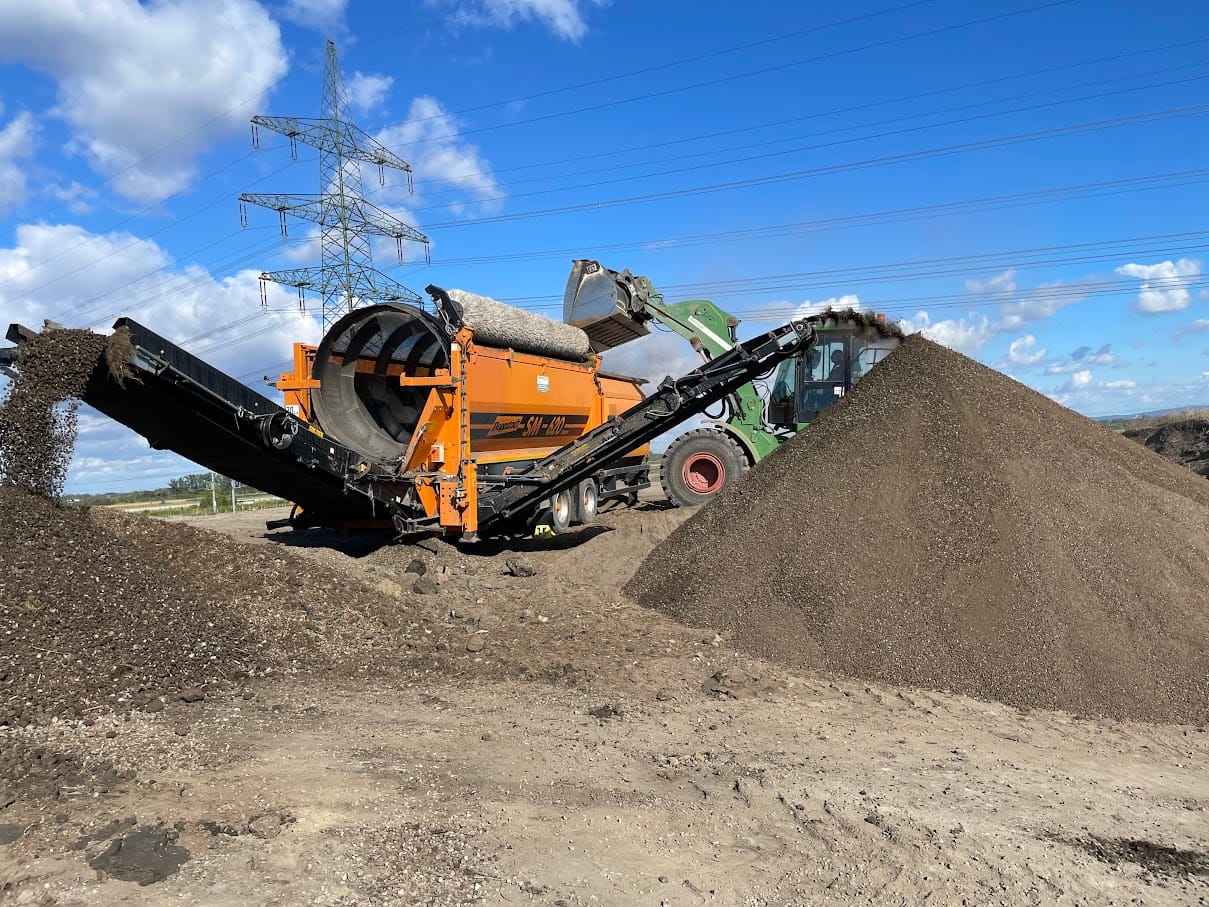
Screeners separate materials according to size. They can play an important role in recycling operations by helping businesses create more consistent material streams.

Crushers
Crushing equipment is often used for processing materials such as concrete, construction waste, and other hard materials. Crushers can help reduce larger materials into smaller sizes for further processing or reuse.

Compost Turners
Compost turners are designed to assist with the composting process by turning and mixing organic materials. They can be useful for businesses involved in large-scale composting and organic waste management.

Granulators
Granulators reduce materials into smaller particles and can be used in certain recycling applications where further size reduction is required.

Material Handlers
Material handling equipment can help businesses move, load, and manage recyclable materials around processing facilities. Efficient material handling can support smoother overall operations.

The Importance of Quality and Reliability
Recycling machinery often operates in demanding environments. Equipment may process heavy, abrasive, wet, or irregular materials, which means durability and reliability are important considerations.

Choosing equipment simply because it has the lowest purchase price may not always result in the best long-term value. Maintenance requirements, downtime, energy consumption, replacement parts, and expected service life should also be considered.

A machine that performs consistently can help businesses maintain their processing schedules and reduce unnecessary interruptions.

Buying and Selling Used Recycling Equipment
The used machinery market provides opportunities for both buyers and sellers. Businesses that have equipment they no longer require may be able to sell or exchange machinery rather than leaving it unused.

Conclusion
Selecting suitable recycling machinery is an important decision for businesses involved in waste management, recycling, composting, construction, and material processing. Working with dependable recycling machinery suppliers can make it easier to identify equipment that matches your operational needs, budget, and long-term goals.

Used machinery can provide a practical alternative to purchasing new equipment, particularly when businesses are looking for cost-effective solutions. From shredders and screeners to crushers, compost turners, granulators, and material handlers, the right equipment can support efficient material processing and help businesses make better use of available resources.

Before making a purchase, consider the machine's condition, specifications, application, operating requirements, and overall value. A careful approach to machinery selection can help businesses invest in equipment that supports reliable operations while contributing to more sustainable waste management practices. For more details visit us @ https://ovsrecycling.co.uk/

Used Recycling Machinery for Sale UK – Trusted Suppliers | Call Now!
ovsrecycling.co.uk

Used Recycling Machinery for Sale UK – Trusted Suppliers | Call Now!

Used Recycling Machinery for Sale UK – trusted Recycling Machinery Suppliers for Second Hand Recycling Machines & Used Recycling Machinery Sourcing. Get a quote today!
Like
Comment
Share
 Load more posts
    Info
    • Male
    • posts 7
  • Located in 7 Bell Yard, London, England, UK WC2A 2JR
  • https://ovsrecycling.co.uk/
About

OVS Recycling Ltd, established in 2024, supplies quality used recycling and waste management machinery, including shredders, screeners, crushers, and compost turners. We source, buy, sell, and export reliable equipment worldwide, helping businesses reduce costs, improve efficiency, and support sustainability through machinery reuse, tailored solutions, and dependable customer service. For more details visit us @ https://ovsrecycling.co.uk/

    Albums 
    (0)
    Following 
    (0)
    Followers 
    (1)
    Likes 
    (0)
    Groups 
    (0)

© 2026 - 2024 HAMOTTE

Language

  • About
  • Directory
  • Blog
  • Contact Us
  • Developers
  • More
    • Privacy Policy
    • Terms of Use
    • Request a Refund

Unfriend

Are you sure you want to unfriend?

Report this User

Important!

Are you sure that you want to remove this member from your family?

You have poked Ovsrecycling

New member was successfully added to your family list!

Crop your avatar

avatar

Enhance your profile picture

Available balance

0

Images


© 2026 - 2024 HAMOTTE

  • Home
  • About
  • Contact Us
  • Privacy Policy
  • Terms of Use
  • Request a Refund
  • Blog
  • Developers
  • Language

© 2026 - 2024 HAMOTTE

  • Home
  • About
  • Contact Us
  • Privacy Policy
  • Terms of Use
  • Request a Refund
  • Blog
  • Developers
  • Language

Comment reported successfully.

Post was successfully added to your timeline!

You have reached your limit of 5000 friends!

File size error: The file exceeds allowed the limit (244 MB) and can not be uploaded.

Your video is being processed, We’ll let you know when it\'s ready to view.

Unable to upload a file: This file type is not supported.

We have detected some adult content on the image you uploaded, therefore we have declined your upload process.

Share post on a group

Share to a page

Share to user

Your post was submitted, we will review your content soon.

To upload images, videos, and audio files, you have to upgrade to pro member. Upgrade To Pro

Edit Offer

0%

Add tier


Select an image
Delete your tier
Are you sure you want to delete this tier?

Reviews

In order to sell your content and posts, start by creating a few packages. Monetization

Pay By Wallet

Add Package

Delete your address

Are you sure you want to delete this address?

Remove your monetization package

Are you sure you want to delete this package?

Unsubscribe

Are you sure you want to unsubscribe from this user? Keep in mind that you won\'t be able to view any of their monetized content.

Payment Alert

You are about to purchase the items, do you want to proceed?
Request a Refund

Language

  • Arabic
  • Bengali
  • Chinese
  • Croatian
  • Danish
  • Dutch
  • English
  • Ewondo
  • Filipino
  • French
  • German
  • Hebrew
  • Hindi
  • Indonesian
  • Italian
  • Japanese
  • Korean
  • Persian
  • Portuguese
  • Russian
  • Spanish
  • Store
  • Swedish
  • Turkish
  • Urdu
  • Vietnamese
  • Ìtón