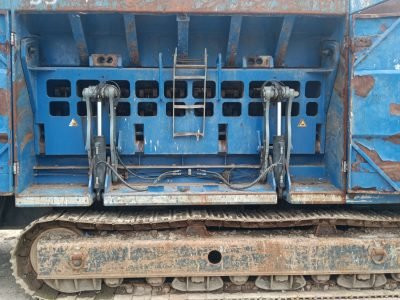
Tree Chipper for Sale: A Practical Guide to Choosing the Right Machine
Finding the right tree chipper for sale can make a significant difference for businesses involved in landscaping, forestry, arboriculture, recycling, and green waste management. A suitable chipper can turn branches, tree limbs, and other woody materials into manageable wood chips, helping businesses reduce waste volume and improve material handling. However, with different machine sizes, capacities, feeding systems, and configurations available, it is important to understand your operational requirements before investing in used or new equipment.
What Is a Tree Chipper?
A tree chipper is a machine designed to process branches, logs, tree limbs, and other woody materials into smaller pieces known as wood chips. These machines are commonly used by tree surgeons, landscaping companies, forestry contractors, local authorities, composting facilities, and recycling businesses.
Instead of manually cutting large quantities of branches into smaller pieces, a chipper can process material more efficiently. The resulting chips can then be used for landscaping, biomass applications, composting, mulch, or other material recovery processes.
The size and design of a chipper can vary significantly depending on the intended application. Smaller machines may be suitable for landscaping and tree maintenance, while larger industrial machines can handle substantial volumes of woody material.
Why Businesses Use Tree Chippers
Managing branches and tree waste can be challenging when materials are bulky and difficult to transport. A tree chipper helps reduce the physical size of woody waste, making it easier to handle and transport.
There are several reasons businesses invest in chipping equipment:
Reducing the volume of green waste
Improving material handling
Processing branches more efficiently
Producing useful wood chips
Reducing transportation requirements
Supporting recycling and reuse
Improving site cleanliness
Increasing productivity
For companies handling large quantities of tree waste, having suitable processing machinery can make daily operations more organised and efficient.
Choosing the Right Chipper Capacity
One of the first considerations when looking for a tree chipper is capacity. The machine needs to be capable of handling the type and quantity of material generated by your operation.
A smaller business that primarily processes thin branches may not need a large industrial machine. On the other hand, forestry operations dealing with larger tree limbs and high volumes of material may require heavy-duty equipment.
When comparing machines, consider the maximum material diameter the chipper is designed to accept. It is also useful to consider the expected daily or weekly processing volume.
Choosing a machine that is too small can result in slower operations and increased wear. Selecting a machine that is considerably larger than necessary may result in unnecessary purchasing, transportation, fuel, and maintenance costs.
Types of Tree Chippers
Tree chippers are available in several configurations, each designed for different applications.
Disc Chippers
Disc chippers use a large rotating disc fitted with cutting blades. As material enters the machine, the blades cut the wood into chips.
These machines are commonly used in demanding commercial and forestry applications because they can process substantial quantities of woody material.
Drum Chippers
Drum chippers use a rotating drum equipped with cutting components. They are available in different sizes and configurations and can be suitable for businesses processing a variety of wood waste.
The appropriate choice depends on the material being processed, required capacity, and operating conditions.
Towable Chippers
Towable or trailer-mounted chippers can be transported between different job sites. This can be particularly useful for tree care companies and contractors that work at multiple locations.
Mobility can reduce the need to transport large quantities of unprocessed branches back to a central facility.
Self-Propelled Chippers
Self-propelled machines are designed to move around challenging working environments. Depending on the model, they can be useful in forestry, woodland management, and large-scale land-clearing operations.
The ability to move across a site can help operators process material closer to where it is generated.
New or Used Tree Chipper?
Businesses searching for a tree chipper have the option of purchasing new or used equipment. Both options have advantages, and the right choice depends on the budget and operational requirements.
A new machine provides the latest specifications and may come with manufacturer warranties and support. However, new equipment can require a larger initial investment.
Used machinery can provide an alternative for businesses seeking capable equipment at a potentially lower purchase cost. A well-maintained used chipper may continue to provide reliable performance for many years.
When purchasing used equipment, however, condition is extremely important. Buyers should examine the machine carefully and obtain as much information as possible about its previous use and maintenance.
What to Check When Buying Used Equipment
A visual inspection should be an important part of the purchasing process. Look for signs of excessive wear, corrosion, structural damage, leaks, and poor maintenance.
The cutting system deserves particular attention because blades and other components are exposed to significant wear during normal operation.
Other components worth checking include:
Feed rollers
Bearings
Hydraulic systems
Belts
Engine or motor
Chipping mechanism
Safety systems
Electrical components
Discharge system
Tires and chassis on mobile machines
If maintenance records are available, review them carefully. Service documentation can provide useful information about previous repairs, replacement parts, and routine maintenance.
Consider the Type of Material You Process
Not all tree waste is the same. Branches, logs, green wood, dry wood, and mixed organic material can have different processing requirements.
Before choosing a chipper, identify the materials you expect to process regularly. Consider their average size, moisture content, hardness, and volume.
If your business occasionally processes larger logs but primarily handles small branches, purchasing an extremely large machine may not necessarily be the most practical decision.
Matching machine specifications to real-world operating conditions can help improve productivity while avoiding unnecessary costs.
Understanding Feed Systems
The feeding system is another important consideration. Different machines use different methods to move material into the cutting mechanism.
Hydraulic feed rollers can help pull branches into the machine and maintain a consistent material flow. The design and size of the feed opening will determine what type of material can be processed.
When comparing machines, look at the feed opening dimensions and feeding mechanism alongside the machine's overall processing capacity.
Safety Should Always Be a Priority
Tree chippers contain powerful moving and cutting components, making safety an essential consideration.
Operators should receive appropriate training and understand the manufacturer's operating procedures. Safety guards, emergency stop systems, protective equipment, and correct feeding practices should always be taken seriously.
Businesses should also establish clear procedures for maintenance, cleaning, inspections, and handling blockages.
A machine should never be selected solely because it offers high processing capacity. Safety features, operator requirements, and maintenance accessibility should also be considered.
Conclusion
A tree chipper for sale can be a valuable investment for businesses involved in tree care, forestry, landscaping, green waste processing, and recycling. The right machine can help reduce bulky waste, improve processing efficiency, and create useful wood chip material for various applications.
Whether you are considering new or used equipment, it is important to focus on capacity, machine condition, maintenance requirements, safety features, material compatibility, and long-term operating costs. Careful research and working with an experienced machinery supplier can make the purchasing process much easier.
For businesses searching for dependable used recycling and waste management equipment, OVS Recycling Ltd offers a range of machinery solutions, helping customers source suitable equipment for recycling, green waste, composting, and material processing requirements. For more details visit us at https://ovsrecycling.co.uk/chippers/