Choosing Reliable Recycling Machinery Suppliers for Your Business
Finding the right recycling machinery suppliers is an important step for businesses looking to improve waste processing, reduce operational costs, and make better use of recyclable materials. The right machinery can help businesses handle different types of waste efficiently while supporting more sustainable working practices. Whether you need shredders, screeners, crushers, compost turners, or other recycling equipment, choosing a supplier that understands your requirements can make a significant difference to your day-to-day operations.
As recycling and waste management continue to become more important across different industries, businesses are looking for practical equipment that delivers dependable performance. Used recycling machinery can also be a cost-effective option for companies that want reliable equipment without investing in brand-new machinery. However, finding suitable equipment requires careful consideration of the machine's condition, specifications, intended application, and overall value.
Understanding Your Recycling Machinery Requirements
Before contacting recycling machinery suppliers, it is useful to understand exactly what your business needs. Recycling operations can vary considerably depending on the type and volume of materials being processed.
For example, a company handling green waste may require composting equipment, while a business processing construction and demolition waste may need crushers, screens, or shredders. Understanding the material you work with, the required output, and the available operating space can help you identify suitable machinery.
Important factors to consider include:
Type of material being processed
Daily or weekly processing volume
Required output size
Available working space
Existing equipment and systems
Power and fuel requirements
Transportation and installation requirements
Budget and long-term operating costs
Having this information ready makes it easier to discuss your requirements with a machinery supplier and narrow down the available options.
Why Businesses Consider Used Recycling Machinery
Purchasing new machinery is not always practical for every business. Depending on the equipment required, new machines can represent a considerable investment. Used recycling machinery provides another option for companies seeking dependable equipment at a more accessible price.
A properly maintained used machine can continue to provide effective performance for many years. The key is to understand the machine's history and condition before making a purchase.
Used machinery can be suitable for businesses that are:
Expanding their recycling operations
Replacing older equipment
Starting a new waste processing operation
Adding capacity to an existing facility
Looking for cost-effective equipment
Testing a new processing application
The right used machine can provide useful functionality while helping a business manage its capital expenditure.
What to Look for in Recycling Machinery Suppliers
Not all suppliers provide the same level of service or equipment selection. When comparing recycling machinery suppliers, businesses should look beyond the initial price and consider the supplier's overall approach.
A reliable supplier should be able to provide clear information about the machinery, including its specifications, condition, intended applications, and availability. Good communication is also important when purchasing equipment that may need to be transported over long distances.
Consider the following points when evaluating a supplier:
Equipment Selection
A supplier with a broad range of recycling and waste management machinery can make it easier to find equipment suited to your application. Depending on your requirements, this could include shredders, screeners, crushers, compost turners, granulators, and material handling equipment.
Machine Condition
For used equipment, condition is particularly important. Ask about maintenance history, previous usage, known repairs, and the current operating condition of the machine.
Technical Information
Detailed specifications can help you determine whether a particular machine is suitable for your operation. Information such as capacity, dimensions, power requirements, and processing capabilities can be useful during the selection process.
Customer Service
Machinery purchases do not necessarily end when the equipment changes ownership. Transportation, documentation, technical questions, and other requirements may need to be addressed. A supplier that communicates clearly can make the process easier.
Recycling Machinery for Different Applications
Recycling equipment is used across a wide range of industries and applications. The type of machinery required depends largely on the material being processed.
Shredders
Shredders are commonly used to reduce the size of various waste materials. They can be used in different recycling and waste processing applications where material size reduction is required.
Screeners
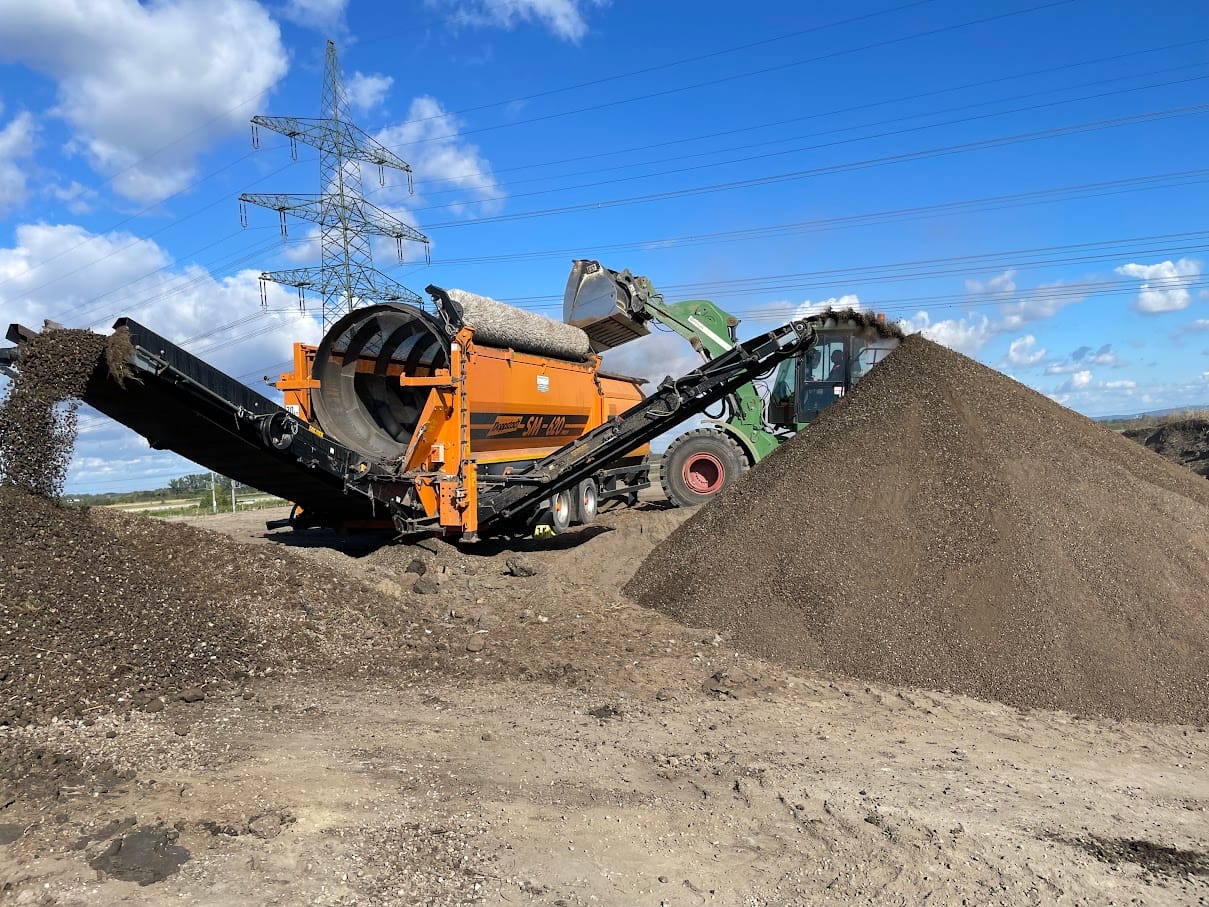
Screeners separate materials according to size. They can play an important role in recycling operations by helping businesses create more consistent material streams.
Crushers
Crushing equipment is often used for processing materials such as concrete, construction waste, and other hard materials. Crushers can help reduce larger materials into smaller sizes for further processing or reuse.
Compost Turners
Compost turners are designed to assist with the composting process by turning and mixing organic materials. They can be useful for businesses involved in large-scale composting and organic waste management.
Granulators
Granulators reduce materials into smaller particles and can be used in certain recycling applications where further size reduction is required.
Material Handlers
Material handling equipment can help businesses move, load, and manage recyclable materials around processing facilities. Efficient material handling can support smoother overall operations.
The Importance of Quality and Reliability
Recycling machinery often operates in demanding environments. Equipment may process heavy, abrasive, wet, or irregular materials, which means durability and reliability are important considerations.
Choosing equipment simply because it has the lowest purchase price may not always result in the best long-term value. Maintenance requirements, downtime, energy consumption, replacement parts, and expected service life should also be considered.
A machine that performs consistently can help businesses maintain their processing schedules and reduce unnecessary interruptions.
Buying and Selling Used Recycling Equipment
The used machinery market provides opportunities for both buyers and sellers. Businesses that have equipment they no longer require may be able to sell or exchange machinery rather than leaving it unused.
Conclusion
Selecting suitable recycling machinery is an important decision for businesses involved in waste management, recycling, composting, construction, and material processing. Working with dependable recycling machinery suppliers can make it easier to identify equipment that matches your operational needs, budget, and long-term goals.
Used machinery can provide a practical alternative to purchasing new equipment, particularly when businesses are looking for cost-effective solutions. From shredders and screeners to crushers, compost turners, granulators, and material handlers, the right equipment can support efficient material processing and help businesses make better use of available resources.
Before making a purchase, consider the machine's condition, specifications, application, operating requirements, and overall value. A careful approach to machinery selection can help businesses invest in equipment that supports reliable operations while contributing to more sustainable waste management practices. For more details visit us @ https://ovsrecycling.co.uk/